Blog
Signs You Need an Office Move and What to Do Next
Signs you need an office move
An office move is a significant project, particularly when your team, equipment and customers all depend on the business staying operational. The decision is rarely based on one issue alone. More often, several warning signs appear at the same time.
For businesses in Dudley, Stourbridge, Halesowen and the surrounding West Midlands, recognising those signs early gives you more time to plan properly and choose the right moving support.
1. Your current office is too small
If desks are being squeezed into meeting rooms, storage is taking over useful workspace or employees are working in unsuitable areas, your premises may no longer support the business.
A lack of space can affect productivity and make it harder to recruit or accommodate growth. It can also create practical problems when you need to move office furniture, IT equipment, files or stock around the building.
Before looking for a new property, list what you currently have and what the business is likely to need over the next few years. This helps you avoid moving into another office that becomes restrictive too quickly.
2. The layout no longer suits the way you work
A business can outgrow an office without physically running out of room. Changes in staffing, working patterns or customer requirements may mean that the original layout is no longer practical.
Common signs include a shortage of private rooms, poor access to storage, insufficient reception space or a lack of suitable areas for meetings. If your team spends time working around the building rather than using it efficiently, relocation may be worth considering.
3. Your lease or building no longer fits
Lease renewal dates are an important prompt to review your options. The property may have become unsuitable, the surrounding area may no longer work for your customers, or the building may present access problems for staff, visitors and delivery vehicles.
Consider practical details before committing to a move. Check loading access, parking, stairs, lifts, door widths and any restrictions that could affect the removal of desks, cabinets or large equipment.
4. The business is relocating or changing direction
A move may be necessary when a company opens a new branch, consolidates teams or chooses a location closer to customers and suppliers. It may also follow a merger, expansion or change in the type of work being carried out.
These moves often involve more than transporting desks. They may include confidential paperwork, specialist equipment, archive storage and items that need careful handling. Create an inventory early and identify anything that should be disposed of, stored or moved separately.
5. The current office creates avoidable disruption
Persistent access issues, unreliable facilities or a location that is difficult for staff to reach can all make the working day harder than it needs to be. If these problems are affecting attendance, deliveries or customer visits, moving may offer a more practical long-term solution.
Do not wait until the final weeks of your lease to begin organising the move. Office removals require coordination between the landlord, new premises, employees, suppliers and the removal company.
What to do next after deciding to move
Start with a detailed survey
Arrange an in-person survey of the current office wherever possible. A proper assessment should consider the volume of furniture and equipment, access at both buildings, parking, stairs, lifts and the required moving date.
An accurate survey is more useful than relying on a rough description of the premises. It helps establish the scale of the move and highlights issues that could otherwise cause delays on the day.
Prepare a room-by-room inventory
Record desks, chairs, filing cabinets, shelving, computers, printers and other office contents. Mark anything that is being discarded, placed into storage or moved to a different destination.
Labeling boxes by department or destination room can save considerable time when unpacking. Keep essential documents, access passes, chargers and important equipment clearly identified rather than mixing them into general cartons.
Confirm responsibilities and timings
Decide who will manage communication within the business. Staff should know when to pack their own workstations, what they need to take personally and when the new office will be ready.
It is also worth confirming how the removal will work around trading hours. A planned move may be scheduled at a time that limits disruption, subject to building access and the requirements of the project.
Consider packing, storage and large items
Some office moves need additional support beyond transport. Packing services can help when staff cannot spare the time, while storage may be useful if the new premises are not ready or the move is happening in stages.
Large Item Moves may also need separate planning for bulky furniture, specialist equipment or items that cannot be handled through standard access routes. Discuss these requirements during the survey rather than leaving them until moving day.
Request a clear quotation
When comparing office removal companies, ask what is included, how the quotation was prepared and whether there are any conditions relating to access, waiting time or changes to the agreed scope. The building type and move distance can both affect the work involved, so a proper assessment matters.
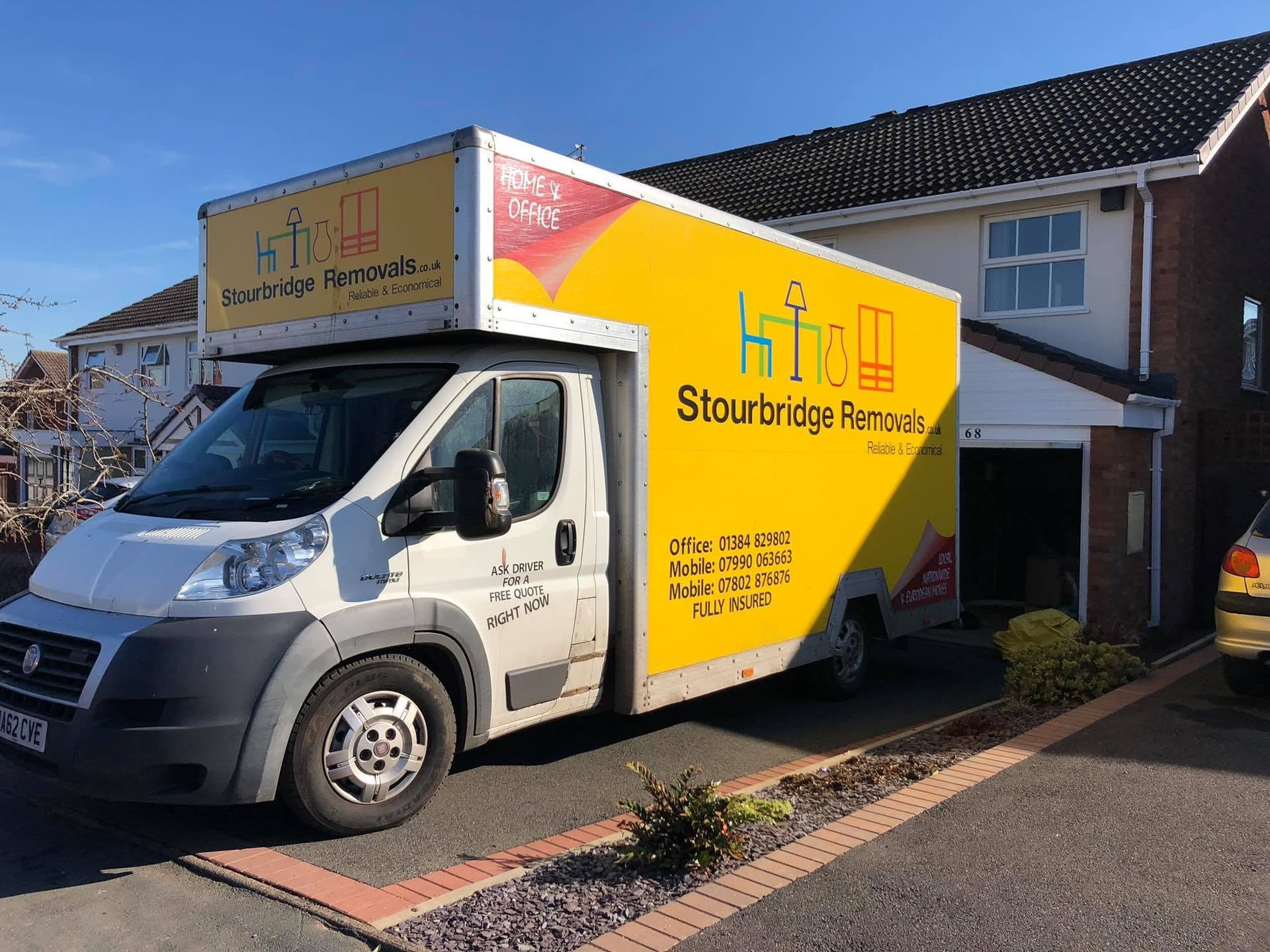
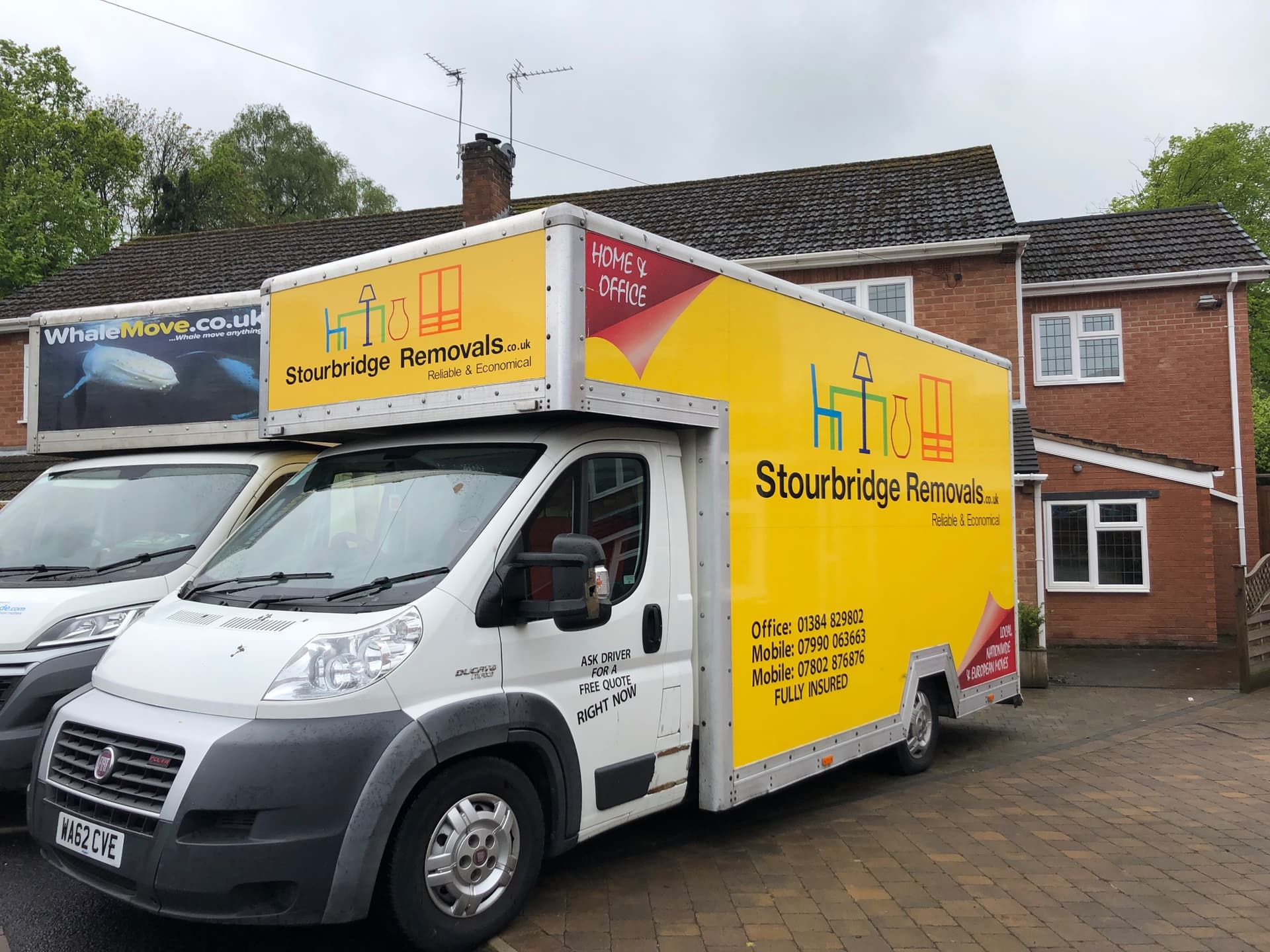
Stourbridge Removals is fully insured and offers office moves for commercial customers across Dudley, Stourbridge, Halesowen, Brierley Hill, Kidderminster, Kingswinford, Hagley, Kinver, Cookley, Blakedown and Wolverhampton. Its wider services include Home Removals, Large Item Moves and Storage, with card payments accepted. The price is guaranteed for three months, as stated by the business.
Plan your office move with fewer surprises
If your current premises are no longer working, early planning can make the difference between a controlled relocation and unnecessary disruption. Contact Stourbridge Removals to discuss your office move and arrange the next step. Weekend availability on Saturdays and Sundays can make it easier to organise a survey around your working week.
Other Articles